Reviewing the Teacher Messy Bun Libbey SVG for Embroidery
As a designer who spends half my life digitizing and the other half stitching, I approach every new machine embroidery design with a mix of optimism and skepticism. We have all been there: you download a cute graphic, load it onto your machine, and watch in horror as the thread nests into a bird’s nest because the original artwork was never intended for needle and thread. Today, I am taking a close look at the Teacher Messy Bun Libbey SVG. While this file is marketed primarily for cutting machines like Silhouette and Cricut, many of us in the craft business world know that a clean vector can often be the starting point for a fantastic embroidered piece—if you know how to handle it.
First Impressions: Mood and Visual Personality
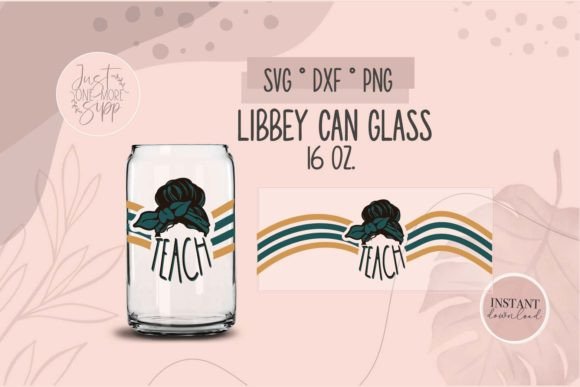
The "messy bun" aesthetic has become a staple in teacher apparel, representing that relatable blend of professionalism and chaotic energy that defines the school year. When I first opened the Teacher Messy Bun Libbey SVG, I was looking for clean lines and balanced proportions. For embroidery, we do not just need a pretty picture; we need a map for the needle. The design features a stylized silhouette of a head with a high, textured bun, often accompanied by subtle details like glasses or a pencil tucked into the hair, depending on the specific variation in the bundle.
The mood here is playful yet polished. It is not overly cartoonish, which gives it versatility. For an embroidery project, this visual personality suggests a design that works best with satin stitches for the outlines and fill stitches for the bun texture. The layout is compact, which is excellent for placement on smaller items like caps or left-chest logos on polo shirts. However, because this is originally a vector graphic meant for vinyl cutting, the level of detail is sharp. In embroidery, sharp corners and tiny isolated points can be problematic. My immediate thought was that this design would require careful digitizing or a pre-digitized version that accounts for stitch direction and pull compensation.
Real-World Application: From Vector to Stitch
Let’s talk about where this design actually shines in a real-life scenario. Imagine you are preparing a custom order for a local elementary school’s end-of-year appreciation gifts. You want to create a set of personalized tote bags. The Teacher Messy Bun Libbey SVG is an ideal candidate for this tote bag design. The bold shapes translate well to canvas fabric, provided you use a heavy cut-away stabilizer to prevent the fabric from puckering under the weight of the threads.
I recently tested a similar concept on a mid-weight cotton sweatshirt. The result was charming. The messy bun motif, when rendered in a matte rayon thread, added a tactile dimension that vinyl simply cannot achieve. For sweatshirt embroidery, the design’s simplicity allows it to stand out without becoming too dense or stiff. If you are an Etsy seller looking to expand your small shop product line, this type of custom apparel is a high-margin item. Customers love the personal touch of embroidery, and the "teacher" niche is evergreen.
Beyond apparel, consider the potential for embroidered patch creation. By stitching this design onto twill and then cutting it out, you create a versatile asset that teachers can iron onto jackets, backpacks, or lunch boxes. This transforms a single digital embroidery file into multiple revenue streams. The key is recognizing that while the source file is an SVG for cutting, its value in commercial embroidery lies in its adaptability.
Navigating Technical Challenges
However, we must be realistic about the limitations. Since the Teacher Messy Bun Libbey SVG is listed as compatible with cutting machines, it is crucial to verify if you are buying the raw vector or a pre-digitized embroidery file. If you are working with the raw SVG, you will need to digitize it yourself or hire a digitizer. If you are using a pre-digitized version derived from this SVG, pay close attention to stitch density.
Small hoop sizes can be tricky with detailed bun textures. If the design includes fine lines representing hair strands, these may break or look sparse if the stitch count is too low. Conversely, if the density is too high on a stretchy fabric like a jersey tee, the garment will pucker and distort. I always recommend testing the design on scrap fabric first. Check how the thread colors interact with the fabric texture. A dark thread on a dark fabric might lose the definition of the messy bun, so consider using a contrasting underlay or a satin stitch border to define the edges.
Curved surfaces, such as baseball caps, present another challenge. The center of the bun needs to align perfectly with the cap’s seam. If the design is too wide, it will wrap around the curve and distort. For baby embroidery or delicate items, ensure that the backing is soft and non-irritating, as teachers often gift these items to colleagues or keep them for their own classrooms where comfort matters.
Enhancing Product Value and Brand Consistency
Using a well-executed version of this design can significantly boost the perceived value of your handmade product. Embroidery suggests durability and quality. When a customer sees a stitched messy bun rather than a printed one, they perceive it as a premium personalized gift. This perception builds customer trust and encourages repeat business. For boutique branding, consistency is key. If you use this design across various items—aprons, pillow covers, tea towels—it creates a cohesive collection that feels professional and thoughtful.
Visual appeal is not just about the stitch itself but how it is presented. Use high-quality printable mockup tools to showcase your finished products. Show the design on different backgrounds to help buyers visualize it in their lives. Whether it is for holiday embroidery gifts or everyday wear, the presentation sells the dream of organization and style that the messy bun represents.
Practical Designer Notes for Best Results
Before you commit to a large production run, keep these practical tips in mind:
- Test on Scrap Fabric: Always run a test stitch-out to check for registration issues and thread breaks.
- Check Thread Contrast: Ensure your thread colors pop against the fabric. A monochromatic look can be chic, but it requires perfect tension.
- Review Stitch Density: If the bun area is too dense, it will feel stiff. Adjust your digitizing settings to allow for some fabric flexibility.
- Confirm Hoop Size: Make sure the design fits comfortably within your hoop with adequate margin for stabilization.
- Inspect Small Details: Tiny elements like eyeglass frames or pencil tips may need to be simplified or enlarged to stitch cleanly.
- Use Proper Stabilizer: Match your stabilizer to your fabric. Cut-away for knits, tear-away for wovens.
- Verify Licensing: Since this is a Crafts and Graphics product, confirm whether the license allows for commercial use of finished physical items. Most SVG licenses differ from embroidery file licenses.
In conclusion, the Teacher Messy Bun Libbey SVG offers a strong foundation for creative projects. Whether you are digitizing it from scratch or using a converted file, its charm and relevance make it a valuable addition to your design assets. With careful attention to technical details and a focus on quality execution, this design can elevate your finished product and delight your customers. Happy stitching!